
Produced by: Tarun Mishra Designed by: Manoj Kumar
Delayed Return for Sunita Williams
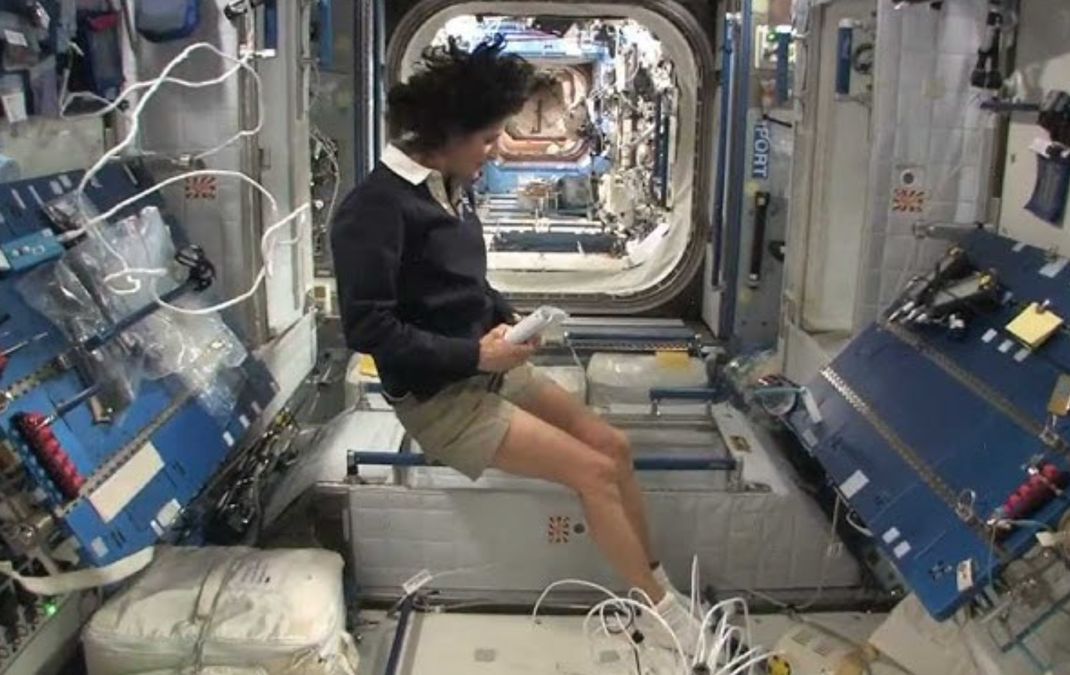
NASA announced that astronauts Sunita Williams and Butch Willmore, originally scheduled to return from the ISS within seven days of their launch on June 5, 2024, may now be delayed until February 2024, potentially returning on SpaceX’s Crew Dragon instead of Boeing’s Starliner.
Extended Mission Raises Concerns
The delayed return could extend the astronauts’ planned eight-day mission to over eight months, raising concerns about the prolonged impact on their physical and mental health due to extended time in space.
Radiation Exposure Risks
Astronauts aboard the ISS are exposed to high levels of radiation, particularly when passing through areas with radiation levels 30 times higher than on Earth. Prolonged exposure can lead to increased risks of cancer, tissue degeneration, and damage to the nervous system.
Impact on Immune System
High radiation levels can damage lymphocytes, crucial for immune system function, leading to reduced immunity and the potential for existing microbes to cause infections in astronauts.
Effects of Microgravity
Long-term exposure to microgravity can cause significant bone and muscle loss, with astronauts losing approximately 1.5% of bone tissue per month. This can impair physical performance, increase injury risks, and affect cardiovascular health.
Fluid Redistribution in the Body
Microgravity causes fluids in the body to shift toward the upper half, leading to puffiness, altered speech motor control, and loss of smell, taste, and balance, all of which can impact the astronauts’ well-being.
Psychological Challenges
The psychological stress of an unexpectedly extended mission, combined with the isolation of being 400 km above Earth in a spacecraft with technical issues, could create mental strain, even for seasoned astronauts like Sunita Williams and Butch Willmore.
Hope for a Safe Return
Despite the challenges, NASA has multiple rescue options, including the fully operational SpaceX Dragon spacecraft. Assistance from Russia’s Roscosmos is also a possibility, though it would require significant technical and geopolitical coordination.
Historical Perspective
Past missions, such as Russian cosmonaut Valeri Polyakov’s 437-day stay on the Mir space station, demonstrate that astronauts can endure long durations in space. Additionally, Sunita Williams will experience a slight time dilation due to her high-speed orbit, making her 0.01 seconds younger than her Earth-bound counterparts upon return.