
Produced by: Tarun Mishra
ISS Replacement Timeline
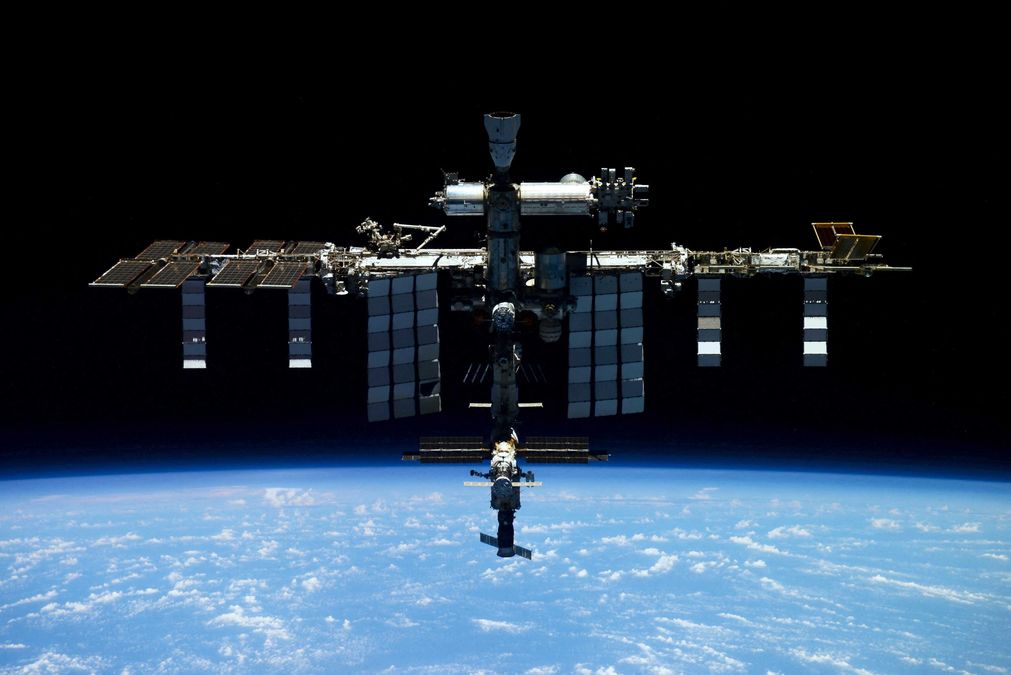
The International Space Station (ISS) is scheduled for replacement in the 2030s, but its deorbiting process will extend over a significant period, NASA confirms.
Deorbiting Process Duration
SpaceX’s newly commissioned re-entry vehicle will push the ISS into Earth’s atmosphere 12 to 18 months after the station “drifts down” from its normal orbit.
Crew Involvement
NASA plans to keep the crew aboard the ISS as long as possible for maintenance, with astronauts departing about six months before the final re-entry when the ISS reaches around 220 kilometres above Earth.
SpaceX Deorbit Vehicle Contract
NASA selected SpaceX to develop the deorbit vehicle, awarding up to $843 million for the project. The decision follows requests for proposals from the aerospace community in 2023.
Design and Development
The SpaceX deorbit vehicle will be based on the Dragon spacecraft design, featuring an enhanced trunk section with additional propellant tanks, engines, avionics, and other customized components.
Leveraging Flight History
SpaceX will utilize NASA-certified hardware and systems familiar to both organizations, enhancing reliability and minimizing new development and testing.
SpaceX’s Role in ISS Operations
SpaceX’s vertical integration and extensive experience with ISS missions make it a dominant player in the station’s operations. The company also manages lucrative satellite missions and Starlink launches.
NASA’s Strategic Decisions
NASA officials stressed that the ISS end date is contingent on the readiness of new commercial space stations. The agency aims to maintain operations until these replacements are fully functional.
Competitive Landscape and Future Plans
Northrop Grumman’s proposal faced concerns about compatibility and costs. Meanwhile, commercial stations from companies like Axiom Space, Orbital Reef, Voyager Space, and Vast Space are under development, with potential launches starting in 2025.