
Produced by: Tarun Mishra Designed by: Manoj Kumar
Research Highlights
A study by economists Eyal G. Frank and Anant Sudarshan reveals the devastating impact of the collapse of India’s vulture population on human health, potentially contributing to thousands of deaths annually.
Vulture Population Collapse
In the mid-1990s, India’s vulture population experienced a dramatic decline, with some species’ numbers dropping by up to 99.9%. This decline was linked to the widespread use of diclofenac, a veterinary painkiller toxic to vultures when they ingested livestock carcasses.
Role of Indian Vultures
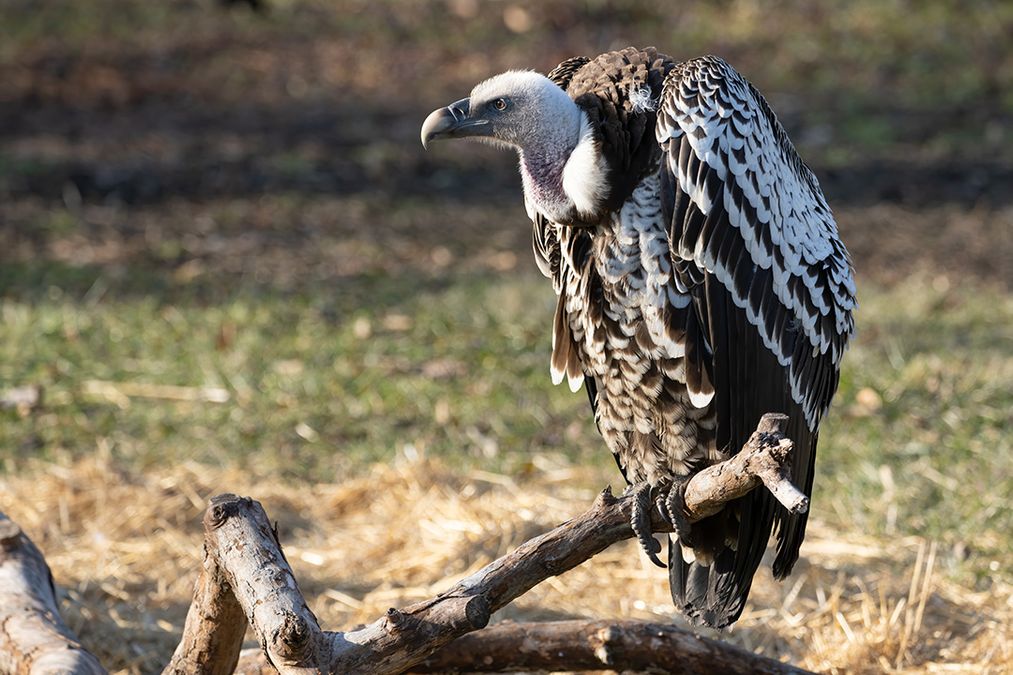
Indian vultures (Gyps indicus) are large birds of prey, scavenging mainly on carcasses of dead animals. They play a crucial role in the ecosystem by efficiently disposing of dead animals, preventing the spread of diseases.
Importance of Vultures in the Ecosystem
Vultures were once widespread across India, with populations possibly exceeding fifty million. Their disappearance led to a sanitation crisis, as rotting carcasses were left unattended, potentially spreading diseases and contaminating water sources.
Increase in Human Death Rates
The study compared districts with high and low vulture suitability before and after the introduction of diclofenac in 1994. Findings showed a more than 4% increase in all-cause human death rates in vulture-suitable districts following the birds’ near-extinction.
Surge in Feral Dog Populations
The disappearance of vultures led to an increase in feral dog populations and higher incidences of rabies. The abundance of carrion previously consumed by vultures led to more human-dog interactions and rabies transmission.
Vultures’ Role in Public Health
The study underscores the importance of vultures in maintaining public health. As efficient scavengers feeding exclusively on carrion, vultures provided a vital sanitation service in a country with over 500 million livestock.
Consequences of Biodiversity Loss
This research highlights the interconnectedness of ecosystems and human well-being. It points to the unforeseen consequences of biodiversity loss and the urgent need for conservation efforts.
Implications for Conservation
The findings have significant implications for biodiversity management and conservation resource allocation. By quantifying the human cost of species loss, the study provides a compelling argument for protecting seemingly less charismatic species that play critical roles in ecosystem functioning.