
Produced by: Tarun Mishra
Chinese Rocket Breaks Apart in Space
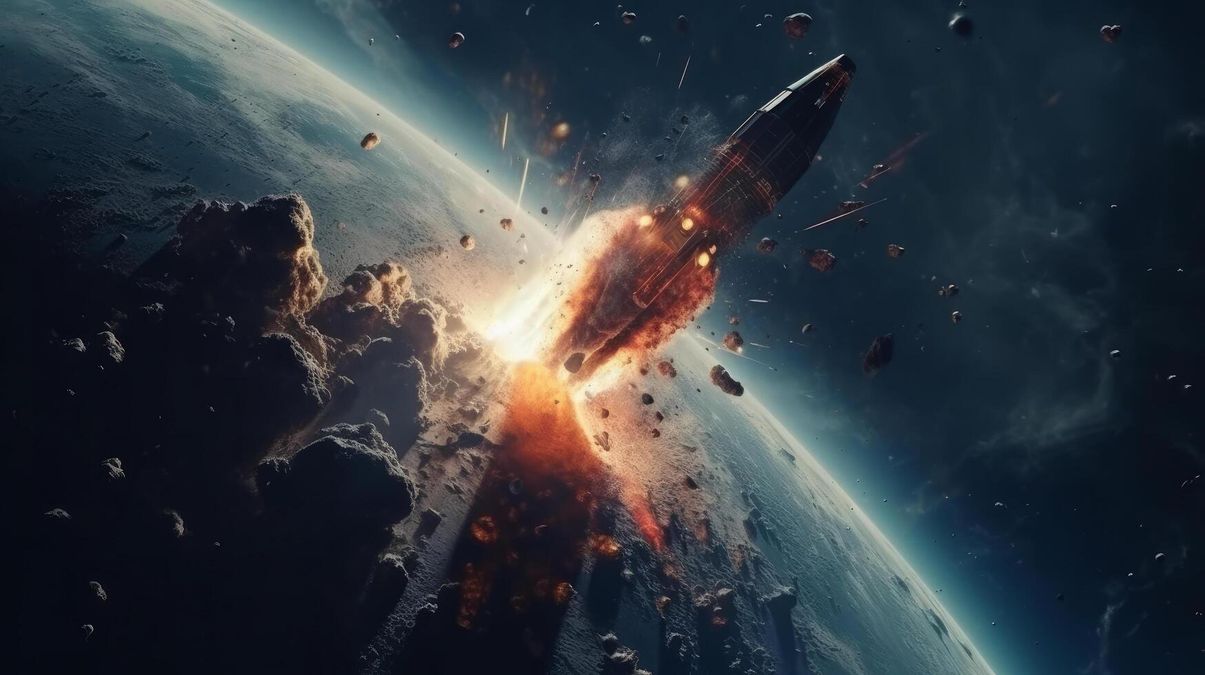
A Chinese rocket stage disintegrated after launching 18 internet satellites, resulting in a massive debris cloud that now threatens more than 1,000 satellites and objects in low Earth orbit.
Over 700 Pieces of Debris
Initial estimates suggested around 300 debris pieces, but recent assessments indicate the count has exceeded 700, possibly reaching 900, as the fragments drift at an altitude of approximately 800 kilometres.
Collision Risk Increases
The debris poses a significant risk to other space assets, with over 1,100 close encounters predicted in the coming days. Some active satellites can manoeuvre to avoid collisions, but many objects remain vulnerable.
Unclear Cause of Breakup
Analysts are uncertain whether the breakup was caused by a collision with another object or an onboard explosion of unused rocket fuel. The incident occurred after the rocket successfully deployed its payloads.
China Responds to Debris Concerns
China’s foreign ministry stated that the country is monitoring the situation closely and stressed its commitment to mitigating space debris and fulfilling international obligations regarding space sustainability.
Previous Incidents
This is not the first such event involving a Chinese rocket. A similar breakup occurred in 2022 with a Long March 6A rocket, also generating hundreds of debris pieces and raising concerns about space debris management.
Western Criticism
Western nations and space sustainability advocates have urged China to improve its practices for managing space debris, highlighting the risks posed by these incidents to global space operations.
Growing Risk of Kessler Syndrome
As the number of objects in space increases, experts warn of the rising danger of cascading collisions, known as Kessler Syndrome, stressing the need for robust tracking and management systems to ensure the safety of space activities.