Produced by: Tarun Mishra
Potential for Apocalyptic Events
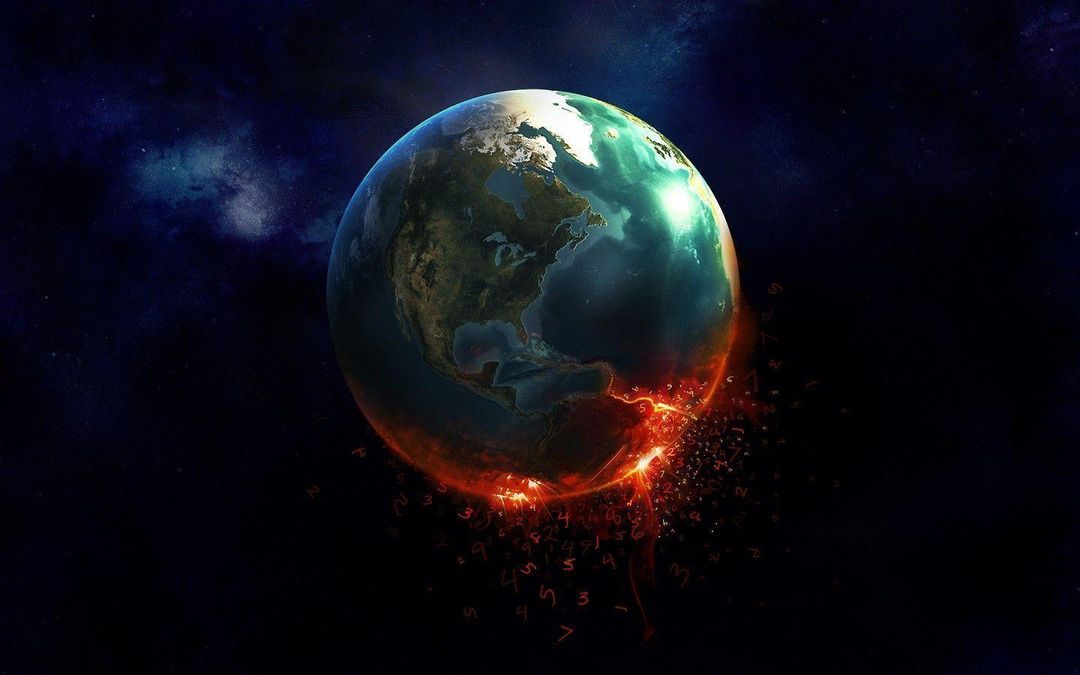
A recent study suggests that the world may face catastrophic weather events, potentially leading to doomsday scenarios, within the next 6,000 years.
Research Findings
Researchers from the Technical University of Munich and the Potsdam Institute for Climate Impact Research predict that the collapse of the Atlantic Meridional Overturning Circulation (AMOC) could occur in the next decade and a half, triggering these events.
Role of AMOC
The AMOC functions like a colossal oceanic conveyor belt, transporting warm surface water from the southern hemisphere to the cooler North Atlantic and returning colder, saltier water southward along the ocean floor.
Climate and Ecological Impact
This circulation pattern helps regulate global temperatures, preventing overheating in the Southern Hemisphere and extreme cooling in the Northern Hemisphere. It also distributes nutrients vital for marine ecosystems.
Triggering Factors
The weakening of AMOC is attributed to melting ice and increased greenhouse gases. Historical data had predicted a possible collapse between 2025 and 2095, but new research indicates a broader range of uncertainty.
Uncertainty and Timeframe
The new study’s data analysis suggests the AMOC collapse could occur anytime between 2050 and 8065, providing a 6,000-year window for potential catastrophic events.
Consequences of AMOC Collapse
Should the AMOC collapse, the Northern Hemisphere would likely experience significant cooling, with drastic temperature drops in Europe and North America. Arctic ice could expand southward, affecting regions like southern England.
Global Climate Shifts
The collapse could also lead to reversed wet and dry seasons in the Amazon rainforest and accelerate sea level rise in coastal cities.
Call for Action and Further Research
Lead author Maya Ben-Yami emphasized the need for better data and deeper understanding of these systems, warning that the stakes are too high to depend on unreliable predictions. This research serves as a wake-up call for addressing climate uncertainties.